व्हाट्सएप ग्रुप की गाली-गलौज ने लिया खूनी मोड़, देहरादून पुलिस ने 5 हमलावरों को दबोचा
*दोस्तों से दुश्मन बने युवक : व्हाट्सएप विवाद में चाकूबाजी करने वाले पांचों आरोपी सलाखों के पीछे*
देहरादून। राजधानी की सड़कों पर हुड़दंग और सार्वजनिक स्थानों पर दहशत फैलाने वालों के खिलाफ देहरादून पुलिस ने ‘ऑपरेशन प्रहार’ के तहत शिकंजा कस दिया है। एसएसपी के सख्त तेवरों के बीच सहसपुर पुलिस ने एक बड़ी सफलता हासिल करते हुए उन पांच आरोपियों को गिरफ्तार कर लिया है, जिन्होंने मामूली व्हाट्सएप विवाद के बाद अपने ही पुराने साथियों पर जानलेवा हमला कर दिया था। इस खूनी खेल में कई युवक गंभीर रूप से घायल हुए हैं, जिन्हें चाकू और लाठी-डंडों से बेरहमी से पीटा गया था।
घटनाक्रम की शुरुआत 26 अप्रैल की शाम हुई जब लुनिया मोहल्ला निवासी दीपक कुमार का भाई मनीष अपने दोस्तों के साथ घर लौट रहा था। लांघा रोड स्थित शीतला नदी पुल के पास पहले से घात लगाए बैठे मंजीत और उसके साथियों ने मनीष की कार को जबरन रोक लिया। हमलावर पूरी तैयारी के साथ आए थे। उनके हाथों में धारदार चाकू और लाठी-डंडे थे।
आरोपियों ने कार रुकते ही ताबड़तोड़ हमला बोल दिया और राहुल नामक युवक के सिर पर पीछे से चाकू से वार कर दिया। इस हमले में मनीष की जांघ, दीपक सिंह के पेट और राहुल के सिर पर गहरे घाव आए।
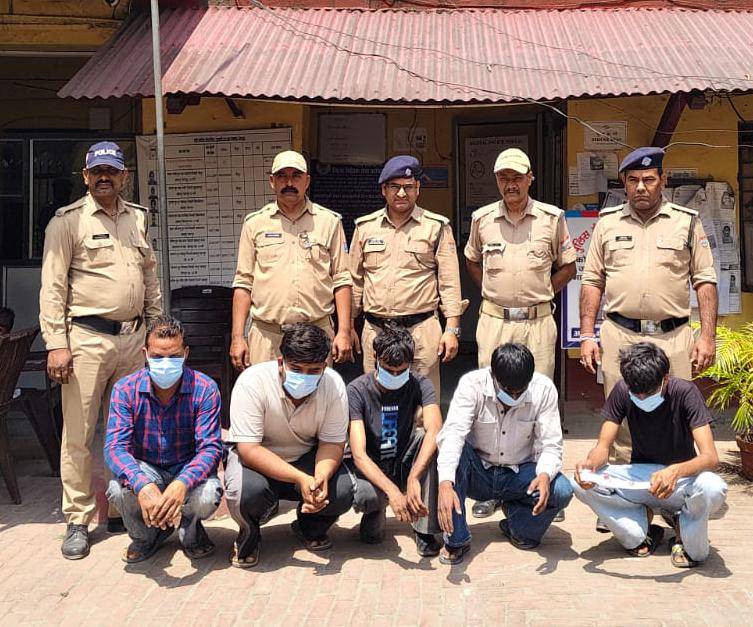
एसएसपी देहरादून प्रमेंद्र सिंह डोभाल के निर्देशों पर जिले में चल रहे ‘ऑपरेशन प्रहार’ के तहत पुलिस ने इस मामले को गंभीरता से लिया। बता दें कि यह ऑपरेशन हाल ही में शहर में बढ़ते अपराधों और एक रिटायर्ड ब्रिगेडियर की हत्या के बाद मुख्यमंत्री पुष्कर सिंह धामी और डीजीपी के निर्देश पर शुरू किया गया है, जिसका मुख्य उद्देश्य अपराधियों में कानून का खौफ पैदा करना है। सहसपुर पुलिस ने सीसीटीवी फुटेज और मुखबिरों के जाल की मदद से 28 अप्रैल को मुख्य हाईवे के पास से घेराबंदी कर पांचों आरोपियों को धर दबोचा।
पूछताछ में जो सच सामने आया वह चौंकाने वाला था। पुलिस की गिरफ्त में आए मंजीत सिंह (विकासनगर), पीयूष (पांवटा साहिब), विकास उर्फ विक्की (पांवटा साहिब), सूरज (पांवटा साहिब) और अर्जुन सिंह (बुग्गावाला) कभी आपस में गहरे दोस्त थे। इन सभी का एक व्हाट्सएप ग्रुप था, जहां पिछले महीने किसी बात को लेकर गाली-गलौज हो गई। मोबाइल स्क्रीन पर शुरू हुई यह जंग दो गुटों में बंट गई और ऑडियो-वीडियो के जरिए एक-दूसरे को धमकियां दी जाने लगीं। जब मंजीत को सूचना मिली कि मनीष विकासनगर से देहरादून की ओर जा रहा है, तो उसने अपने साथियों के साथ मिलकर इस खूनी वारदात को अंजाम दे डाला।
पकड़े गए आरोपी सूरज की निशानदेही पर पुलिस ने वारदात में इस्तेमाल किया गया चाकू शीतला नदी के पास से बरामद कर लिया है। ‘ऑपरेशन प्रहार’ के तहत पुलिस अब इन आरोपियों के पुराने रिकॉर्ड भी खंगाल रही है। एसएसपी ने साफ कर दिया है कि जिले में किसी भी तरह की गुंडागर्दी या सोशल मीडिया पर रंजिश पालकर माहौल बिगाड़ने वालों को बख्शा नहीं जाएगा। रात की गश्त और बैरियर चेकिंग को और अधिक सघन कर दिया गया है ताकि देवभूमि की शांति भंग करने वालों पर नकेल कसी जा सके।
सहसपुर पुलिस की इस टीम में प्रभारी निरीक्षक प्रदीप सिंह रावत, उ0नि0 पंकज कुमार, राजीव धारीवाल और एसओजी के आशीष शर्मा सहित अन्य पुलिसकर्मी शामिल रहे, जिन्होंने महज 48 घंटों के भीतर आरोपियों को सलाखों के पीछे भेज दिया।